Ads


Recovery & Mental Health

If you are currently experiencing signs and symptoms of the possible development of mental health issues, you need to remember that any mental disorder is curable through proper treatments. So, do not lose hope. Remember that you’re the only person who can help yourself to overcome this problem.
Even though professionals and people around you can give you love, recommendations, encouragement, and advice, the only person who can help you out from this is yourself. There are lots of affordable, doable, and practical methods you can make to start your recovery. Follow the steps provided below regularly. These ways will help you with your full recovery from mental health issues.
You are Not Alone

According to research, more than 20 percent of Americans experience the signs and symptoms related to mental health diseases. Life is not easy. It gives people stress more than an individual can bear. There are times that the coping skills of a person are not enough to overcome the problem. There’s nothing to be ashamed of upon knowing that you have mental health issues. People who will blame you or won’t understand your situation are always there. But keep in mind that there are still individuals who will accept and help you get out of … Continue
The Impact of Social Media on Mental Health: How to Stay Mindful Online
Social media has become an integral part of our lives, providing us with the ability to connect with others and access information on a global scale. However, excessive use of social media can also have a negative impact on our mental health. The constant barrage of images and information can lead to feelings of anxiety, depression, and loneliness. In this article, we’ll explore the impact of social media on mental health, and provide tips on how to stay mindful online.
The Negative Effects of Social Media on Mental Health
Social media has been linked to a number of negative effects on mental health, including increased feelings of anxiety, depression, and low self-esteem. This is partly due to the way that social media creates unrealistic expectations of our lives, presenting us with curated images of perfection that are impossible to achieve. Additionally, social media can also lead to a constant need for validation through likes and comments, which can leave us feeling anxious and inadequate.
How to Stay Mindful on Social Media
Staying mindful on social media is an important part of maintaining good mental health. One way to do this is by limiting the amount of time you spend on social media each day. You can also curate … Continue
Men’s Mental Health: 5 Tips For Maintaining A Healthy Mind
It is no secret that men’s mental health is an issue. In fact, the Centers for Disease Control and Prevention reports that men are three times more likely to experience mental illness than women.
So how can you tell if a man has a mental issue and how do you keep your mental health as healthy as possible? Keep reading this blog to find out more.
What Causes Men’s Mental Health Issues?

There is no one answer to this question. Rather, it is a result of a variety of factors, including:
– Social and emotional stressors
– Issues with self-esteem
– Poor mental health literacy
– A lack of access to mental health services – A lack of support networks
How Can Men Maintain a Healthy Mind?
Here are five tips for maintaining a healthy mind:
– Get enough sleep
– Eat a balanced diet
– Exercise regularly
– Get support from friends and family
– Seek professional help if needed
What Are the Symptoms of Men’s Mental Health Issues?
There is no one answer to this question since symptoms can vary depending on the individual. However, some general signs that may indicate a problem with men’s mental health include: feeling overwhelmed, feeling like life is too hard, feeling like … Continue
Alzheimer’s Disease and its Impact to Society
Alzheimer’s disease is an incurable neurodegenerative disease that causes memory loss, confusion and difficulty communicating. It is the sixth leading cause of death in the United States, with an estimated 5.1 million Americans suffering from this condition. In truth, there is no cure for Alzheimer’s disease, but there are treatments that can slow the progression of the disease. These range from wearing a shock-absorbent vest to daily exercise to the use of medications to treat the symptoms and prevent the progression of the disease.

Alzheimer’s disease, also known as “Alzheimer’s disease” (A.D.), is a progressive neurodegenerative disease that causes memory loss, impaired thinking, and judgment and eventually leads to the patient’s death, usually within six to twelve years after being diagnosed. Since Alzheimer’s disease (A.D.) is a slowly progressive disease, most people have no idea or feel no symptoms until after thirty years of age.
Alzheimer’s disease is a devastating neurodegenerative brain disorder that occurs when large numbers of brain cells die. In its early stages, it is difficult to diagnose, and it often takes years before a person develops symptoms. As the brain loses neurons, it loses its ability to communicate with other parts of the body. Symptoms … Continue
Recovery & Mental Health
If you are currently experiencing signs and symptoms of the possible development of mental health issues, you need to remember that any mental disorder is curable through proper treatments. So, do not lose hope. Remember that you’re the only person who can help yourself to overcome this problem.
Even though professionals and people around you can give you love, recommendations, encouragement, and advice, the only person who can help you out from this is yourself. There are lots of affordable, doable, and practical methods you can make to start your recovery. Follow the steps provided below regularly. These ways will help you with your full recovery from mental health issues.
You are Not Alone
According to research, more than 20 percent of Americans experience the signs and symptoms related to mental health diseases. Life is not easy. It gives people stress more than an individual can bear. There are times that the coping skills of a person are not enough to overcome the problem. There’s nothing to be ashamed of upon knowing that you have mental health issues. People who will blame you or won’t understand your situation are always there. But keep in mind that there are still individuals who will accept and help you get out of … Continue
Types of Mental Health Issues

The term mental health disorder is similar to what psychiatric and psychological disorders mean. When a person developed mental health issues, it affects the overall well-being of a person and may experience psychological-related symptoms. A person who has it may feel distressed.
The following are the different types of mental health issues that one may experience when aging. It is important to know the type of mental health problems a person experiences to get the right treatment and medication needed. Read on to know further.
Bipolar-Related Disorder
This type of mental health disorder refers to the changes in one’s energy and activity levels. It also affects the overall mood of a person. This disorder can cause a person to shift its moods from being energetic to feeling depressed. The shifting of moods can be referred to as either hypomania or mania.
Anxiety Disorders
Anxiety disorder can cause a person to experience persistent and excessive anxiety, worry, fear, and other related behavioral disturbances. When we say fear, it includes one’s emotional response to either perceived or real threat. It causes a person to think that threats may arise in the future. Anxiety disorders are broken down into different types, which include agoraphobia, GAD (Generalized Anxiety Disorder), social anxiety disorder, and many … Continue
Mental Health While Aging
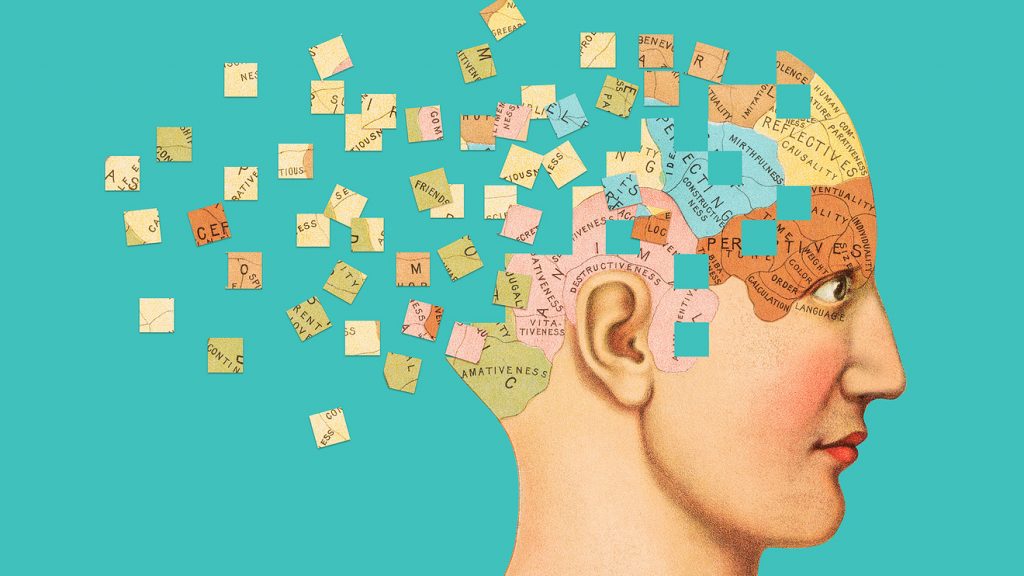
Experts claimed that treating serious and new mental disorders in seniors requires a lot of effort and time. As a person grows older, they are more susceptible to develop different types of mental-related issues. In connection to that, clinical experts may recommend the seniors went through a long-term diagnosis and regularly take the prescribed medicines. On the other hand, there might be a change in terms to the treatment plan of an aging person as they are more prone to develop new conditions while in medication.
As stated by the WHO (World Health Organization), depression and dementia are the two common types of mental illness experienced by seniors aging 60 years old and older. These two mental-related illnesses can affect 5 to 7 percent of the world’s older population.
A mental health of seniors is like appliances that start to show defects. Just like defective appliances, seniors who developed mental health disorders can be treated and become fully recovered. But as mentioned, addressing the mental issues of seniors requires a lot of time and effort.
The following are some of the mental health-related problems that might be experienced by an old-grown man. But don’t worry, since most of these problems are curable.
- Substance abuse disorders
- Schizophrenia
- Schizoaffective disorder
- PTSD (Post-Traumatic
Ads